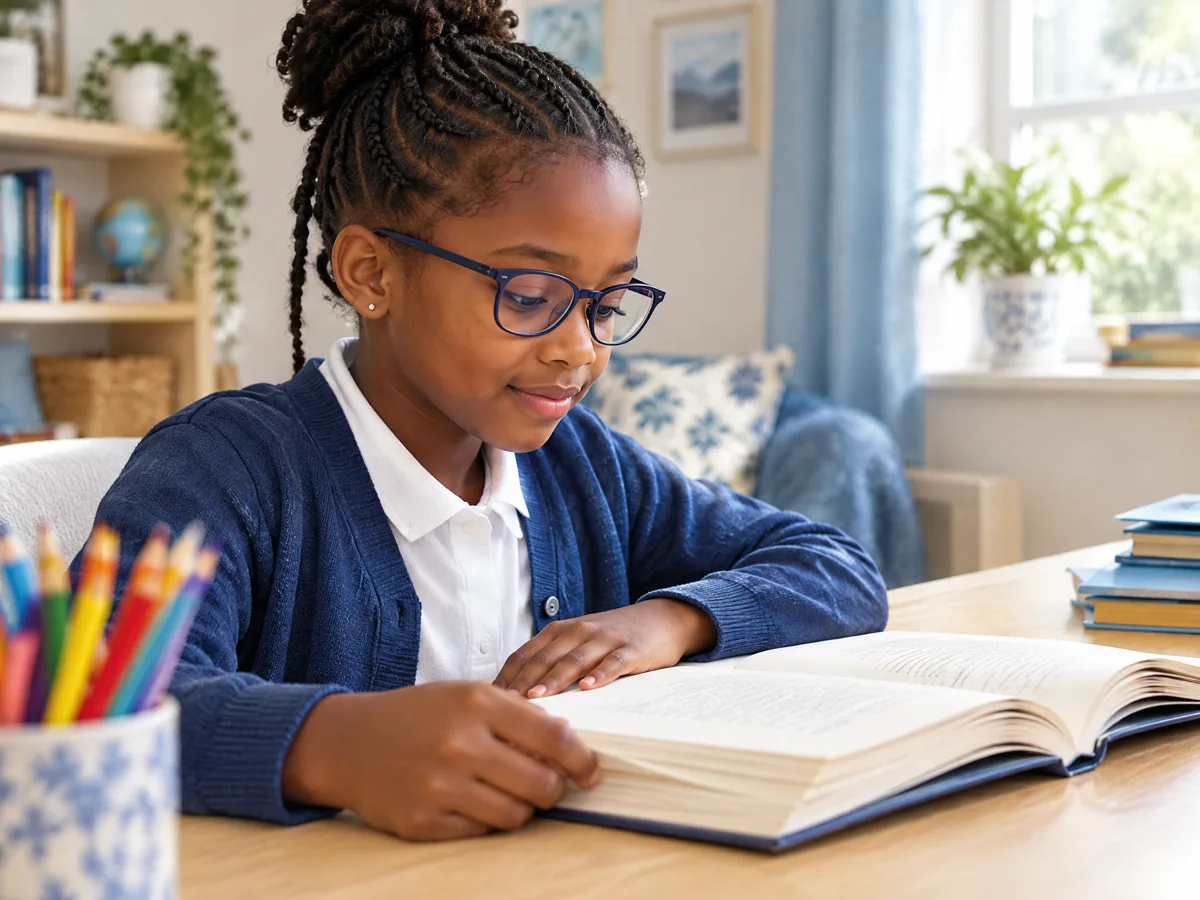
A thoughtful look at growing eyes.
A school eye exam considers visual clarity, eye alignment and coordination, and eye health using an approach suited to the child’s age and cooperation. Tell the doctor about squinting, headaches, rubbing the eyes, difficulty seeing at a distance, or concerns raised by a teacher or pediatrician.
A school vision screening and a comprehensive eye examination are not the same. A screening can identify some concerns, while an examination allows a more detailed assessment. If a school requires documentation, bring its current form and confirm the examination requirements with the practice. The visit does not replace educational or developmental assessment when those are also needed.
What if my child has never complained about vision?
Children may not recognize that their vision is different from what others see. Mention family history, teacher observations, and any changes in reading or visual behavior when you arrange an examination.
A little preparation helps.
- Bring any school forms or screening results.
- Bring current glasses and relevant medical information.
- A parent or legal guardian should attend and discuss consent requirements.
Your questions, answered.
General patient education, not individual medical advice. Tests, treatment, and follow-up depend on your examination.