Care that looks beyond the eye chart.
A comprehensive examination considers both visual clarity and the health of the eyes. Your visit begins with a conversation about your symptoms, daily activities, medical history, medications, and any family history of eye disease. Even when your vision seems unchanged, this information helps guide the evaluation.
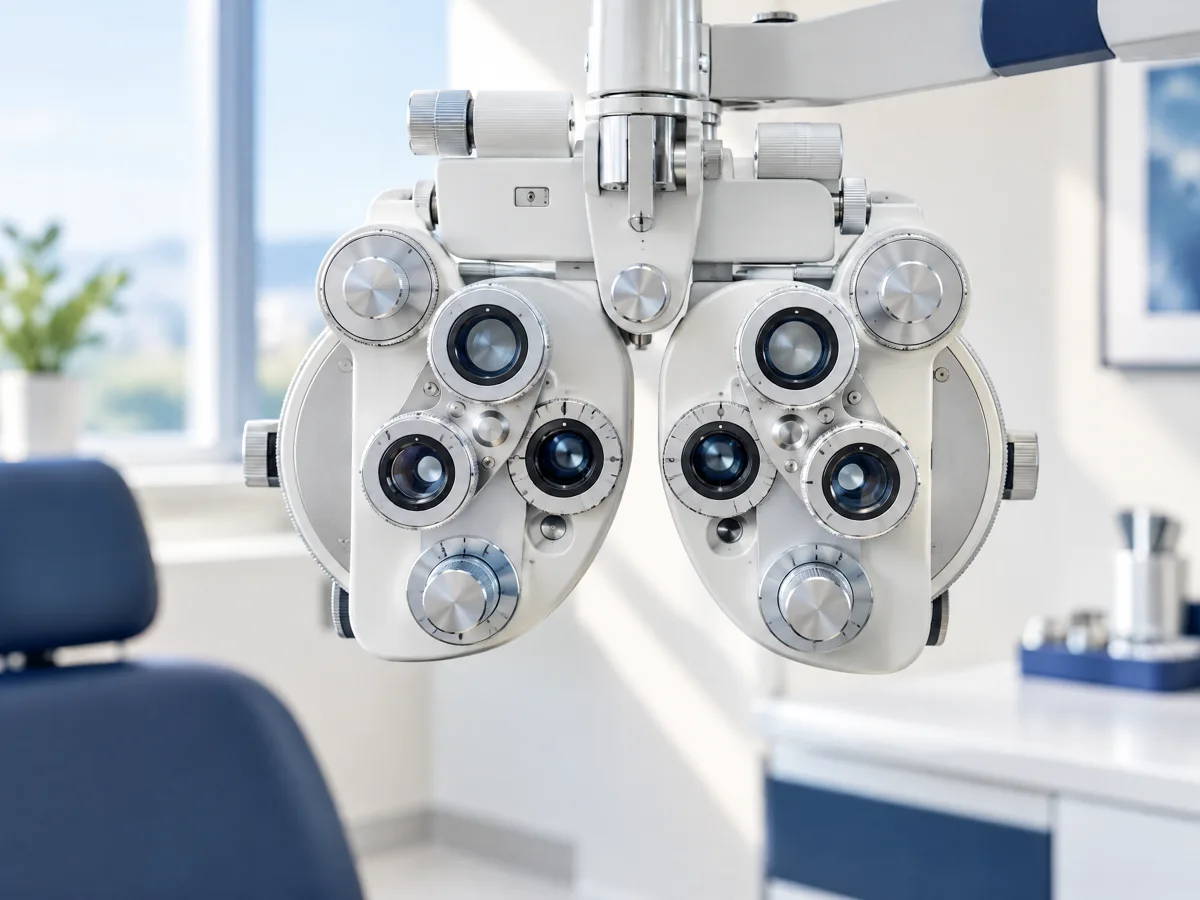
Testing may include visual acuity, a prescription assessment, eye coordination, eye pressure, and an examination of the internal and external structures of the eye. Dilation or additional testing may be recommended depending on your needs. Your doctor explains the findings and helps you understand the next step, whether that is a prescription update, monitoring, treatment, or referral.
How often should I have an eye exam?
The right schedule depends on age, medical conditions, symptoms, family history, and previous findings. Ask your eye doctor to recommend an interval for you rather than relying on a one-size-fits-all timetable.
A little preparation helps.
- Bring current glasses and contact lens information.
- Bring a medication list and relevant previous eye records.
- Consider sunglasses and a ride home if dilation is recommended.
Your questions, answered.
General patient education, not individual medical advice. Tests, treatment, and follow-up depend on your examination.